

Scrubs
How to Wash IRG Scrubs and Make Them Last Longer

Aug
The best way to wash IRG scrubs is to follow the garment care label, separate colors, use mild detergent, avoid harsh heat, and treat stains before drying. A consistent IRG scrubs care routine helps protect color, stretch, fabric feel, pocket structure, and overall fit through frequent healthcare wear.
Quick Answer
- Wash IRG scrubs with similar colors to help protect color and fabric finish.
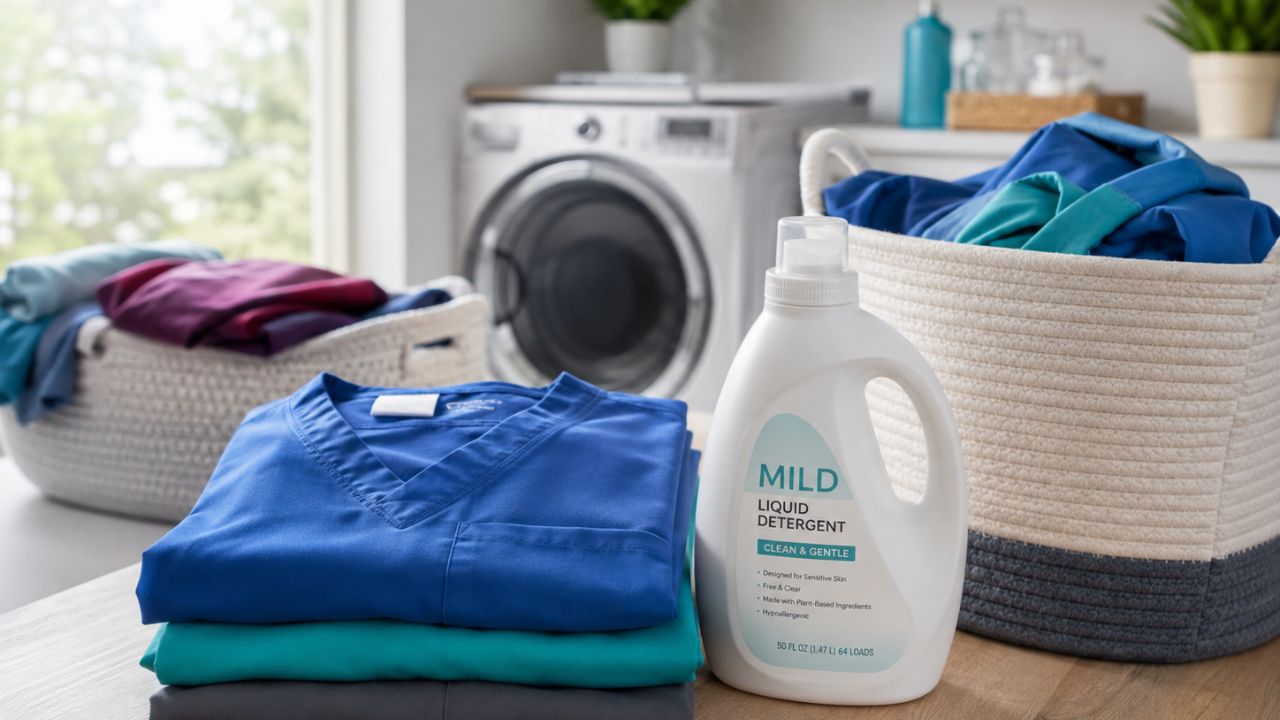
- Use mild detergent instead of harsh products that can weaken fibers over time.
- Avoid high dryer heat because heat can affect stretch, shape, and surface texture.
- Treat stains early before they settle into the fabric.
- Follow the care label first because fabric blends can vary by garment.
What is the best way to wash IRG scrubs?
The best way to wash IRG scrubs is to treat them as professional workwear that needs both cleanliness and fabric protection. Scrubs are washed often, so small habits can affect how they look, feel, and fit after repeated use.
What should be done before washing IRG scrubs?
Before washing IRG scrubs, check the care label, empty every pocket, close zippers, and separate colors. Pens, badge clips, tape, gloves, and small tools can damage fabric or leave marks if they stay inside the pockets.
A simple pre-wash routine includes:
- Emptying all pockets before the garment goes into the washer.
- Closing zippers and fasteners to reduce snagging.
- Turning dark colors inside out to protect the fabric surface.
- Separating lights, darks, and bright colors before washing.
- Checking for stains before the garment enters the machine.
This step matters because washing scrubs without checking them first can set stains, damage pockets, or create extra friction in the load.
Should IRG scrubs be washed in cold or warm water?
IRG scrubs should be washed according to the care label, but cold or cool water is often the safer routine for preserving color, stretch, and fabric finish. Warm water may help with heavier soil, but routine high-heat washing can shorten the life of some scrub fabrics.
When is cold water the better choice?
Cold water is usually better when the main goal is color protection and long-term fabric care. Dark colors, bright shades, stretch blends, and frequently washed scrubs can benefit from a cooler wash routine because it is gentler on the garment.
Cold water may help when:
- The scrub color is dark or bright.
- The fabric includes stretch fibers.
- The garment is washed several times per week.
- The scrub is lightly soiled rather than heavily stained.
For routine IRG scrub care, cold washing is usually the safer default unless the care label or workplace laundering policy says otherwise.
When is warm water useful?
Warm water may be useful when scrubs have heavier soil, odor, or visible residue. It can help detergent work more effectively, but it should still be used carefully. If the garment label recommends cold water, that instruction should come before general laundry habits.
What detergent and stain routine works best for IRG scrubs?
A mild detergent is usually the best choice for IRG scrubs because it cleans without being unnecessarily harsh on fabric. Scrubs are washed frequently, so detergent strength matters. Products that are too aggressive can affect color, texture, and stretch recovery over time.
Should bleach be used on IRG scrubs?
Bleach should not be used unless the garment care label clearly allows it. Harsh bleach can weaken fibers, fade color, and affect the finish of performance fabrics. For most colored scrubs, oxygen-based stain treatment or a gentle pre-treatment is usually safer.
Better stain habits include:
- Treating spots early before washing.
- Testing stain products carefully on less visible areas when needed.
- Avoiding chlorine bleach on colored scrubs unless the label allows it.
- Rinsing heavy residue before the garment enters the main wash.
What is the safest stain-removal routine?
A practical stain-removal routine starts with blotting instead of rubbing, applying a mild treatment, washing according to the care label, and checking the stain before drying. Once a stained garment goes through high dryer heat, the mark may become harder to remove.
A safe stain process includes:
- Blot the stain instead of scrubbing aggressively.
- Rinse from the back of the fabric when possible.
- Apply a mild stain remover suitable for the fabric color.
- Let the treatment sit briefly according to product instructions.
- Check the stain before drying to avoid heat setting.
How should IRG scrubs be dried?
IRG scrubs should be dried with fabric protection in mind. Low heat or air drying is usually safer than high heat because it helps protect shape, stretch, and fabric finish. Dryer heat can be convenient, but repeated high-heat drying may shorten the life of some scrub fabrics.
Is air drying better for IRG scrubs?
Air drying is often the safest option for preserving garment shape and fabric recovery. It is especially useful for stretch fabrics, darker colors, and scrubs that need to stay smooth and consistent across frequent wear.
Air drying may help:
- Protect stretch recovery over repeated washes.
- Reduce shrinkage risk when fabric blends are sensitive to heat.
- Protect darker colors from faster fading.
- Reduce surface wear from repeated dryer friction.
If air drying is not practical, low heat is usually the better dryer setting.
Should scrubs be removed from the dryer quickly?
Yes. Removing scrubs from the dryer while they are slightly warm can help reduce wrinkles and prevent deep creasing. Scrubs should be shaken out, smoothed by hand, and folded or hung promptly. Leaving scrubs in a hot dryer can make wrinkles more noticeable and may affect the finished look.
How can IRG scrubs last longer?
IRG scrubs last longer when washing habits protect the fabric from heat, friction, harsh chemicals, and overloading. Frequent laundering is unavoidable in healthcare, but the process can still be gentle enough to protect fit and appearance.
Which laundry habits shorten scrub life?
Some laundry habits can make scrubs fade, pill, lose shape, or feel rough faster. The most common issues come from using too much heat, overfilling the washer, mixing rough fabrics into the same load, or using harsh products too often.
Avoid these habits when possible:
- Using high dryer heat after every wash.
- Overloading the washer, which increases friction.
- Washing scrubs with towels or heavy garments.
- Using too much detergent, which can leave residue.
- Skipping stain checks before drying.
- Leaving scrubs wrinkled in the machine for hours.
What is the best IRG scrubs care routine by laundry step?
| Laundry step | Best practice | Why it matters |
| Before washing | Empty pockets, close zippers, and check for stains | Prevents snags, ink marks, pocket damage, and set-in stains |
| Sorting | Wash similar colors together and turn dark scrubs inside out | Helps protect color and reduce surface wear |
| Water temperature | Use cold or cool water for routine washing | Helps preserve color, stretch, and fabric finish |
| Detergent | Use mild detergent in the correct amount | Cleans without leaving heavy residue or weakening fabric |
| Stain care | Treat stains before washing and check again before drying | Reduces the chance of heat setting the stain |
| Drying | Use low heat or air drying when possible | Helps protect stretch, shape, and fabric recovery |
| Storage | Fold or hang scrubs only when fully dry | Prevents wrinkles, odor, and moisture-related fabric issues |
How should IRG scrubs be cared for by fabric type?
IRG scrubs may use different fabric blends depending on collection and garment. Some pieces focus on stretch and quick-dry performance, while others may feel softer or more structured. That means care should follow the label first and the fabric behavior second.
How should stretch scrubs be cared for?
Stretch scrubs should be washed gently and dried with lower heat. Stretch fibers help scrubs move with the body, but they can be affected by harsh heat or aggressive laundering. A gentler routine helps the fabric recover better after repeated wear.
For stretch-focused scrubs:
- Use cool or cold water when appropriate.
- Avoid high dryer heat when possible.
- Do not overload the washer.
- Avoid harsh bleach unless the label allows it.
- Fold or hang promptly after drying.
How should quick-dry scrubs be cared for?
Quick-dry scrubs should be washed in a way that preserves their light, easy-care feel. Heavy detergent residue, fabric softener buildup, and high heat can interfere with how performance fabrics feel over time.
For quick-dry scrub care:
- Use the right detergent amount.
- Avoid heavy fabric softener buildup.
- Use low heat or air drying when practical.
- Keep loads moderate so garments rinse properly.
Should fabric softener be used on IRG scrubs?
Fabric softener should be used carefully, if at all, because buildup can change the feel and performance of some scrub fabrics. A scrub may feel smoother at first, but repeated softener use can leave residue that affects breathability, moisture handling, and fabric finish.
What can be used instead of heavy softener?
A better routine is to use the correct amount of detergent, avoid overloading, rinse properly, and dry on low heat. If static is an issue, dryer balls or careful low-heat drying may help without adding the same level of residue.
Clean rinsing and lower heat usually do more for longevity than adding extra laundry products.
How often should healthcare professionals wash IRG scrubs?
Healthcare professionals should wash scrubs after each work shift or according to workplace hygiene expectations. Scrubs are exposed to daily workplace contact, body heat, odors, and environmental residue, so regular laundering is part of professional uniform care.
Should scrubs be washed separately from regular clothes?
Scrubs are often best washed separately from regular clothes, especially after clinical work. Separating scrubs can reduce lint transfer, protect fabric surfaces, and keep workwear apart from household garments. It also allows the washer load to be set more appropriately for scrub fabric, color, and soil level.
What care habits work across IRG and other scrub brands?
Good scrub care habits apply across many healthcare uniform brands because frequent washing affects all scrub fabrics. Professionals who rotate between IRG scrub collections, Maevn scrub collections, and Healing Hands scrub styles should use the care label first, then adjust the wash routine based on color, stretch, fabric weight, and soil level.
What is the easiest scrub care routine to follow?
The easiest routine is simple enough to repeat every week:
- Check pockets and stains before washing.
- Separate colors and turn dark scrubs inside out.
- Use mild detergent and the correct amount.
- Wash on cold or cool unless the label says otherwise.
- Dry on low heat or air dry when possible.
- Fold or hang scrubs soon after drying.
Consistency matters more than complicated laundry steps. A simple routine done correctly can keep scrubs cleaner, smoother, and more comfortable over time.
How can IRG scrubs be kept looking newer?
IRG scrubs can look newer longer when the wash routine limits fading, friction, wrinkles, and heat damage. Color care, pocket checks, stain treatment, and low-heat drying all help preserve the appearance of the uniform.
What is the best longevity checklist?
Use this checklist for better scrub longevity:
- Follow the garment label first.
- Wash similar colors together.
- Turn dark colors inside out.
- Treat stains before drying.
- Avoid high heat when possible.
- Avoid overloading the washer.
- Use mild detergent.
- Store scrubs clean and fully dry.
What is the best IRG scrubs care routine overall?
Proper IRG scrubs care starts with protecting the garment before, during, and after each wash. Checking pockets, separating colors, treating stains early, and following the care label help prevent avoidable fabric damage. Since scrubs are washed often, gentle laundry habits matter as much as the fabric itself.
For regular use, mild detergent, cold or cool water, and low-heat drying are the safest habits for preserving color, stretch, fit, and surface finish. High heat, harsh bleach, overloaded wash cycles, and delayed stain treatment can shorten the life of scrubs and make them look worn sooner.
IRG scrubs can stay cleaner, smoother, and more reliable when the care routine is simple and consistent. A careful wash-and-dry process helps healthcare professionals keep their uniforms looking professional while supporting long-term comfort and durability.
FAQs
Can IRG scrubs go in the dryer?
IRG scrubs can usually go in the dryer if the care label allows it, but low heat is safer for long-term fabric care. High heat may affect stretch, color, shape, and surface finish over time. Air drying is often the gentlest option when preserving fit and fabric recovery is the priority.
Should IRG scrubs be washed in cold water?
Cold water is often a good choice for IRG scrubs because it helps protect color, stretch, and fabric finish through frequent washing. Warm water may be useful for heavier soil, but the care label should always come first. Cold or cool washing is usually safer for routine maintenance.
How do you keep IRG scrubs from fading?
To help reduce fading, wash IRG scrubs with similar colors, turn darker garments inside out, use mild detergent, avoid overloading the washer, and limit high dryer heat. Prompt stain treatment also helps because repeated harsh washing to remove set-in stains can wear down the fabric faster.
How often should healthcare professionals wash scrubs?
Healthcare professionals should usually wash scrubs after each work shift or follow workplace hygiene requirements. Scrubs come into contact with daily workplace residue, body heat, and environmental exposure. Regular washing keeps the uniform cleaner, but using gentle detergent, proper water temperature, and low heat helps protect longevity.
Conclusion
Good IRG scrubs care comes down to simple, consistent habits. Wash with similar colors, use mild detergent, treat stains early, and avoid high heat whenever possible. These steps help protect the fabric, color, stretch, and fit so the scrubs stay clean, comfortable, and professional through repeated wear.